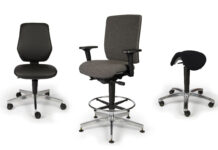
Ergonomics, or in other words, human-centered design, is the study of designing equipment, devices, systems, and environments that consider the needs of the people who use them. The goal of ergonomics is to optimize human well-being and overall system performance by ensuring that products and environments are comfortable, safe, efficient, and easy to use.
In essence, ergonomics focuses on creating a harmonious relationship between individuals and their workspaces or tools. This includes aspects such as proper seating, lighting, workstation arrangement, and the physical demands of tasks to minimize effort and help maximize productivity and comfort.
Of course! Ergonomics, as a multidisciplinary science, has various perspectives and approaches, which are explained in detail below:
Physical Ergonomics: This approach focuses on designing products and environments to accommodate the physical capabilities and limitations of the human body. This includes aspects such as proper seating, appropriate workstation height and placement, comfortable chairs, and helping reduce the risk of repetitive strain injuries.
Cognitive Ergonomics: This approach deals with human mental processes, such as perception, memory, reasoning, and decision-making. Its aim is to optimize human performance by designing interfaces, displays, and systems that are easy and clear to use, without overwhelming the user’s mind.
Organizational Ergonomics: This field focuses on optimizing the design of complete systems, including organizational structures, workflows, communication channels, and job roles. Its goal is to improve overall system performance and efficiency while maintaining employee well-being and satisfaction.
Environmental Ergonomics: In this approach, the physical environments of the workplace, including lighting, sound, temperature, and air quality, are considered. Designing workspaces with these factors in mind enhances employee comfort, health, and productivity.
Anthropometry: This branch of ergonomics deals with measuring the human body and its various dimensions. Understanding anthropometric data helps designers create products and environments that are compatible with the body measurements of individuals.
Biomechanics: This field studies the interactions between the human body and mechanical systems. It helps design tools, equipment, and workstations that minimize physical strain and fatigue and reduce the risk of musculoskeletal disorders.